
Why Drinking Water Is So Important for Drivers
Water is the simplest health habit there is, and for professional drivers it is also one of the most overlooked. Around sixty per cent of the body is water, and every organ and cell depends on it to work properly.
Staying hydrated is not about drinking litres in one go or following a complicated plan. It is about topping up steadily through the day so your body has what it needs to keep you alert, comfortable and sharp behind the wheel. When you fall short, the effects show up quickly, and they show up in exactly the ways a driver can least afford: tiredness, headaches and poor concentration.
This guide runs through why water matters so much, the benefits it brings, the signs that you are not getting enough, and the small practical habits that make hydration easy to keep up on the road.
At a glance
- About sixty per cent of the body is water and every cell relies on it.
- Even mild dehydration causes tiredness, headaches and poor concentration.
- The brain is around seventy-five per cent water, so hydration protects focus and mood.
- Long shifts, heating and aircon quietly dry you out through the day.
- Keep water in the vehicle and sip steadily rather than skipping it to avoid stops.
Why water matters so much
Water is not a nice-to-have that sits alongside your health. It is the medium your whole body runs on. Around sixty per cent of your body is water, and every organ and cell relies on it to carry out its job. When that supply runs low, nothing works quite as well as it should, and the decline starts long before you feel genuinely parched.
For someone who spends the day sitting still and concentrating, the two systems that suffer first are the ones you depend on most: your energy and your brain. That is what makes hydration a genuine safety matter for drivers rather than a general wellbeing tip.

The benefits of staying hydrated
Getting enough water through the day supports almost every part of how your body functions. The most useful benefits for a working driver include the following.
- Boosts energy. Even mild dehydration causes tiredness, so keeping topped up is one of the easiest ways to hold your energy steady across a long shift.
- Improves brain function. The brain is around seventy-five per cent water. Good hydration supports concentration, memory, clear thinking and mood, and helps keep headaches at bay.
- Supports heart health and circulation. Water helps your blood do its job of moving oxygen and nutrients around the body.
- Regulates body temperature. It helps you stay comfortable whether the vehicle is running warm or cold.
- Lubricates joints and muscles. Being well hydrated means fewer cramps and less stiffness through hours at the wheel.
- Aids digestion. Water helps break down food, supports nutrient absorption and helps prevent constipation.
- Helps remove waste. Your kidneys rely on water to filter waste out of the body through urine.
- Promotes healthy skin. Hydration supports the skin as well as everything underneath it.
- Supports a healthy weight. A glass of water before meals and fewer sugary drinks both make weight easier to manage.
- Supports the immune system. Staying hydrated helps the body defend itself and recover.
Even mild dehydration dulls your energy and concentration long before you feel thirsty.
Notice how many of these tie straight back to alertness and comfort at the wheel. Steady energy, clear thinking, fewer headaches, looser joints and better digestion all add up to a driver who feels better at the end of the shift than they otherwise would. None of it requires effort beyond keeping a bottle within reach and using it.

Signs you may not be drinking enough
Dehydration rarely arrives all at once. It builds quietly, and by the time you feel properly thirsty you are already running short. Learning to read the earlier signals means you can act before your concentration and energy dip. Watch for the following.
- Thirst, along with a dry mouth or dry lips.
- Dark yellow urine rather than a pale, clear colour.
- Headaches that come on through the day.
- Tiredness or a general lack of energy.
- Dizziness or lightheadedness.
- Poor concentration and slower thinking.
- Muscle cramps.
If any of these show up mid-shift, the answer is usually the simplest one: drink some water and give it a little time. A lot of what drivers put down to fatigue or a rough day is really mild dehydration doing its quiet work.
Why drivers are especially at risk
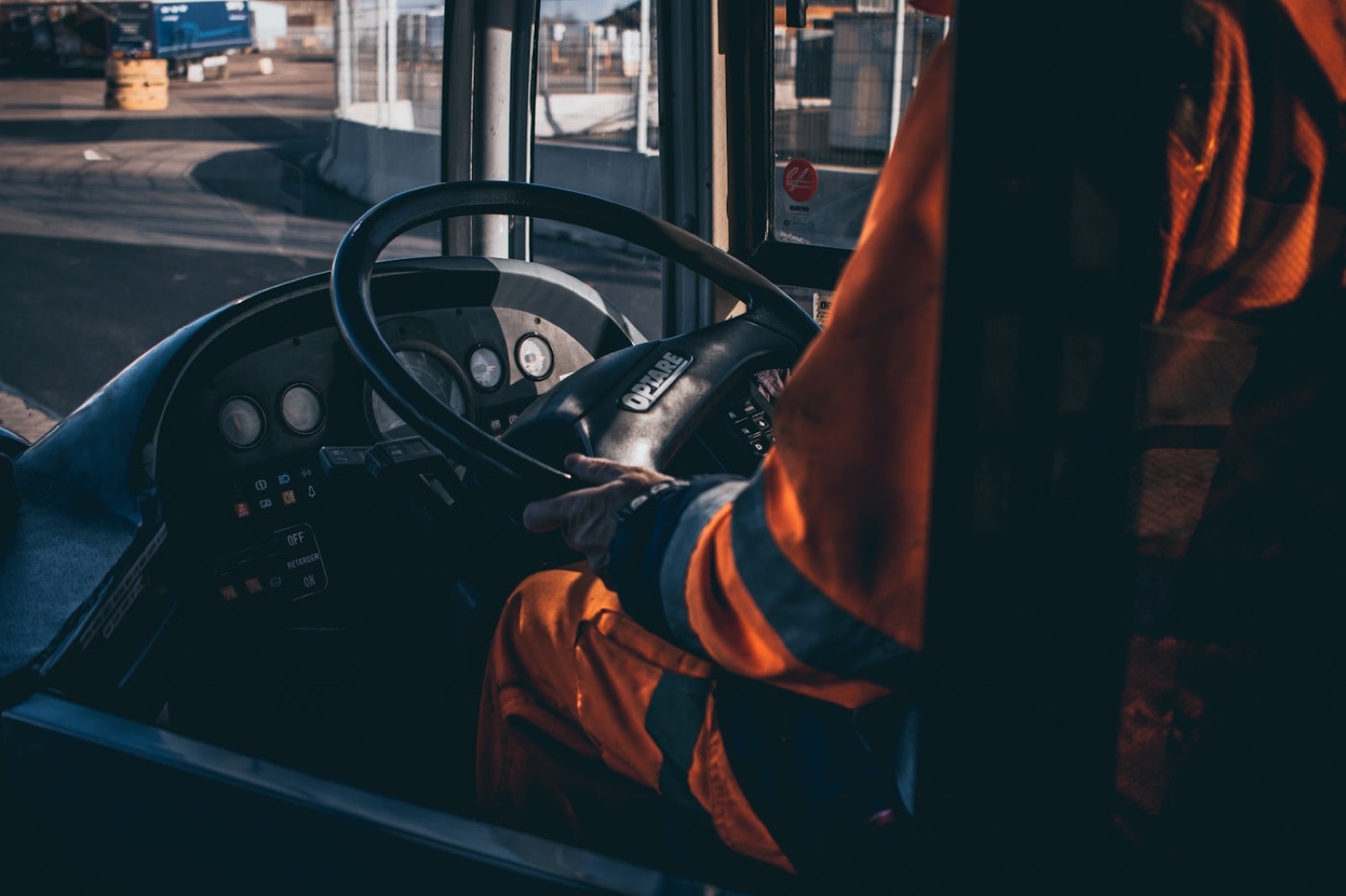
Drivers face a particular combination of pressures that makes falling short on water easy to do. Long shifts mean many hours between proper breaks. Vehicle heating in winter and air conditioning in summer both dry you out steadily without you noticing. Stops are limited, so filling up a bottle is not always convenient. On top of all that sits the biggest trap of all: the temptation to drink less on purpose to avoid needing the toilet.
That last one is a false economy. Cutting your water to save on stops trades away your energy, your concentration and your comfort for the rest of the shift, which is a poor deal for any driver. The better approach is to plan hydration into your day the same way you plan your route and your breaks.
- Keep a refillable bottle of water in the vehicle within easy reach.
- Sip steadily through the day rather than gulping a lot at once.
- Top up whenever you stop, so a full bottle is always with you.
- Check the colour of your urine as a quick, honest guide to how hydrated you are.
- Go easy on drinks that work against you, and treat water as your default.
Hydration sits alongside the food you eat as part of the bigger picture of staying well on the road. If you want to build steady energy into a full working day rather than fighting against it, our nutrition and lifestyle guidance is written specifically for life behind the wheel.
Key takeaways
- Around sixty per cent of the body is water, and every organ and cell relies on it.
- Good hydration boosts energy, sharpens the brain, eases joints and supports digestion, circulation and the immune system.
- Thirst, dark urine, headaches, tiredness, dizziness, poor concentration and cramps all point to not drinking enough.
- Long shifts, heating, aircon and limited stops leave drivers especially prone to dehydration.
- Keep water in the vehicle, sip steadily and never cut back just to avoid toilet breaks.
Frequently asked questions
How much water should a driver drink each day?
As a general guide, aim for around six to eight glasses, or roughly two litres a day, and more in hot weather or on long shifts. Rather than counting exactly, sip steadily through the day and let the colour of your urine be your check. Pale and clear means you are doing well, while dark yellow means you need to drink more.
What are the signs of dehydration?
Early signs include thirst, a dry mouth or lips, dark yellow urine, headaches, tiredness and poor concentration. You may also feel dizzy or lightheaded, or notice muscle cramps. Because dehydration builds quietly, act on these signals rather than waiting until you feel properly thirsty.
Why does dehydration make drivers feel so tired?
Around sixty per cent of your body is water and your brain is about seventy-five per cent water, so even mild dehydration dulls energy and concentration. For someone sitting still and concentrating for hours, that shows up as fatigue, headaches and slower thinking. A lot of what feels like an ordinary rough shift is really mild dehydration.
Should I drink less water to avoid needing the toilet?
No, this is a false economy. Cutting back on water to save on stops trades away your energy, concentration and comfort for the rest of the shift, which is a poor deal for any driver. Plan hydration into your day the same way you plan your route and your breaks.
How can I stay hydrated on a long shift?
Keep a refillable bottle within easy reach and sip steadily rather than gulping a lot at once. Top up every time you stop so a full bottle is always with you, and go easy on drinks that work against you. Remember that vehicle heating in winter and air conditioning in summer both dry you out without you noticing.
Take the next step
Fuel your day the right way
Our nutrition and lifestyle programme covers hydration, food and energy as part of a wider approach to feeling well on the road, for individual drivers and whole fleets.